2026-10-17 ·
Mold Risks From Snow Melt in Twin Peaks Mountain Homes
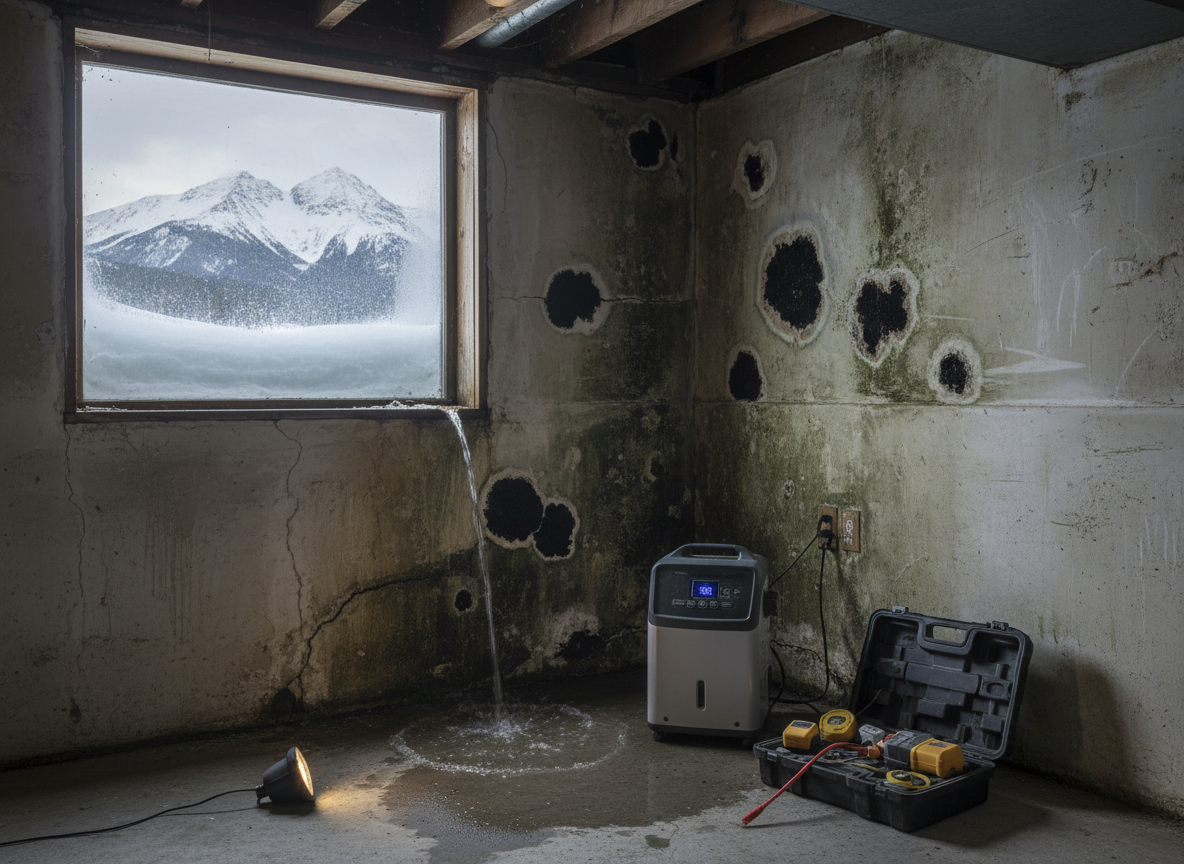
Snow melt in Twin Peaks mountain homes often triggers mold growth within 24 to 48 hours when water seeps into crawl spaces, basements, and attics during the transition from cold snowy winters to warmer spring days. This pattern repeats every year across San Bernardino County because steep terrain funnels runoff directly toward older wood-framed houses common in the area.
How Snow Melt Enters Local Homes
Twin Peaks sits at elevation where winter snow loads reach several feet, then thaw rapidly when temperatures rise. Meltwater follows roof valleys, chimney flashing, and foundation cracks before pooling under floor joists. Homes built on slopes near Lake Arrowhead and Crestline face extra pressure because gravity pulls water toward lower walls and crawl spaces. Once inside, the moisture stays trapped by the dense pine forest humidity that limits natural drying. Homeowners notice musty odors first in storage areas or along north-facing walls that receive less sun. Checking these spots right after each thaw prevents small leaks from turning into widespread colonies.
Why Mountain Construction Increases the Problem
Many Twin Peaks residences use pier-and-beam foundations that leave large crawl spaces exposed to ground moisture. These spaces collect snow melt that drains from surrounding hillsides, especially after heavy winters. Roof designs with multiple peaks and valleys common in the area also trap meltwater along seams that expand and contract with temperature swings. When insulation sits directly against roof decking, any leak stays hidden until black spots appear on ceiling drywall. The same cold temperatures that bring snow also slow evaporation, giving mold longer to establish on wood framing and subfloors. Regular visual checks after each storm cycle help catch issues before they spread to living areas.
Timing and Warning Signs After Thaw
The highest risk window runs from late February through April when daytime highs climb above freezing while nights remain cold. During this period, water from melting snow on roofs and driveways migrates indoors faster than ventilation can remove it. Early signs include soft spots in carpet near exterior walls, white powdery residue on concrete, or dark streaks along baseboards. In attics, look for discolored insulation or water stains on rafters. Residents in neighborhoods surrounding Twin Peaks report these indicators most often in homes built before 1980 that lack modern vapor barriers. Documenting photos and noting exact dates of each melt event supports faster assessment when calling professionals.
Practical Steps Homeowners Can Take
Start by clearing gutters and downspouts before the first thaw so water flows away from foundations. Add or improve French drains on sloped lots to redirect runoff toward street level rather than under the house. Seal visible foundation cracks with exterior-grade caulk rated for freeze-thaw cycles. In crawl spaces, install vapor barriers over bare soil and ensure vents remain open during drier months. After any suspected leak, run dehumidifiers set to 50 percent until readings stabilize. For persistent odors or visible growth, schedule post remediation mold testing to confirm the issue is resolved. Homeowners in nearby Crestline and Lake Arrowhead follow the same seasonal checklist because the mountain climate affects all three communities equally.
When Professional Help Becomes Necessary
If moisture has already reached drywall or subflooring, DIY drying rarely removes hidden colonies. At that point, contact a mold remediation company that operates 24/7 from 26100 CA-189, Twin Peaks, CA 92391. Technicians use moisture meters and thermal imaging to locate pockets behind finishes that homeowners cannot see. They also coordinate with insurance documentation so claims for snow-melt damage move forward without delays. After cleanup, many residents review the guide What Twin Peaks Residents Should Know Before Addressing Mold to understand next steps for long-term prevention. Addressing the problem promptly keeps small melt events from becoming full structural repairs.